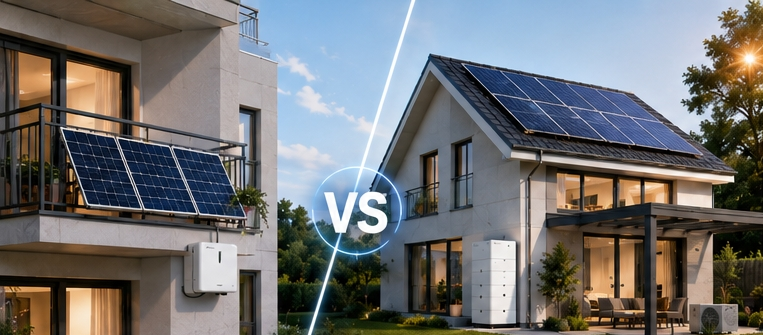
As the 2026 FIFA World Cup enters the knockout stage, the world's attention is focused not only on the fierce competition on the pitch but also on the innovative energy technologies supporting the tournament behind the scenes. Hosted across 16 cities in the United States, Canada, and Mexico, this historic edition of the World Cup—with 48 participating teams and 104 matches—is placing unprecedented demands on electricity infrastructure. To ensure reliable and sustainable operations, host cities are accelerating the deployment of renewable energy, battery energy storage systems (BESS), and smart grid technologies, demonstrating how major international sporting events can help drive the global clean energy transition.
Renewable Energy Takes Center Stage
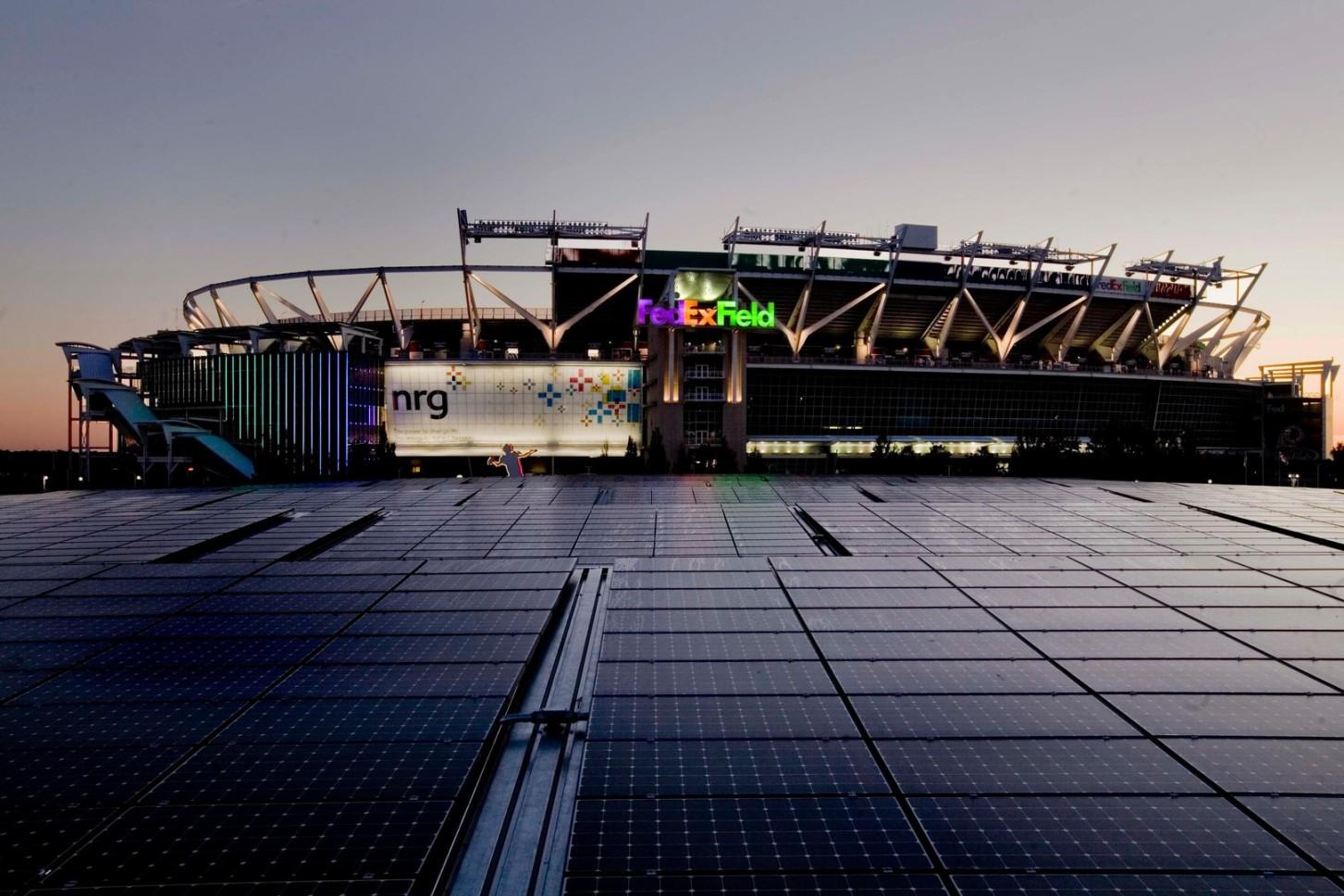
The 2026 FIFA World Cup is demonstrating how modern sports infrastructure can become a catalyst for the clean energy transition. Across North America, several host stadiums are integrating renewable energy and energy-efficient technologies to reduce operational emissions while ensuring reliable power for millions of spectators.
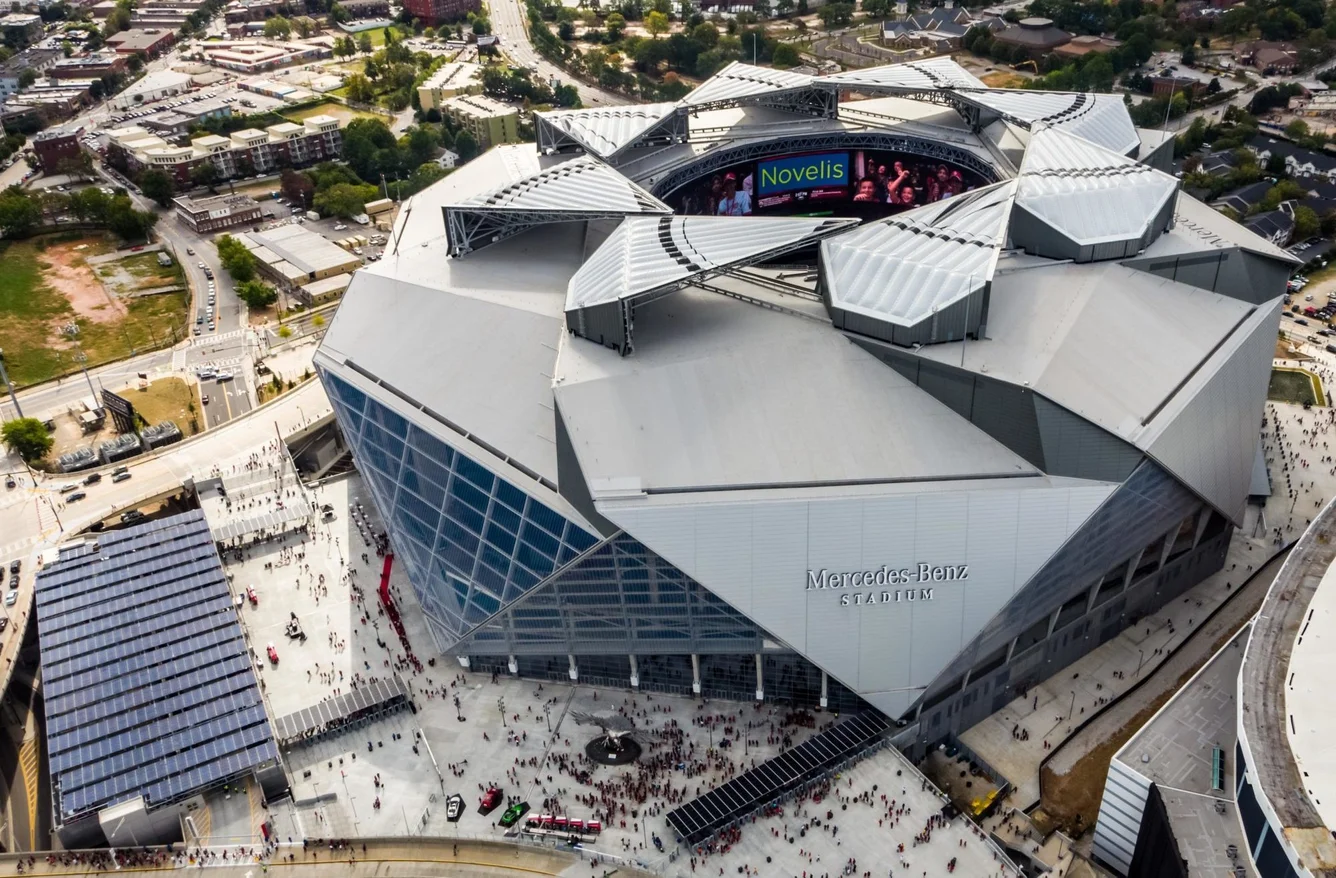
One of the most notable examples is Mercedes-Benz Stadium in Atlanta, which features more than 4,000 rooftop solar panels and is recognized as one of the world's most sustainable sports venues. The stadium is also equipped with advanced energy management systems, LED lighting, rainwater harvesting, and a LEED Platinum certification, significantly reducing its environmental footprint.
Meanwhile, Mexico is experiencing record electricity demand during the tournament period. As photovoltaic generation reaches historic output levels, solar energy is playing an increasingly important role in supporting daytime electricity demand, reducing grid pressure, and strengthening the country's energy transition. These initiatives illustrate how renewable energy is no longer a complementary resource, but an essential component of hosting major international sporting events sustainably.
Battery Storage: The Missing Piece of the Clean Energy Puzzle
Beyond supporting clean energy integration, battery energy storage systems (BESS) are helping World Cup venues avoid the so-called "white elephant" effect by creating long-term value beyond the tournament.
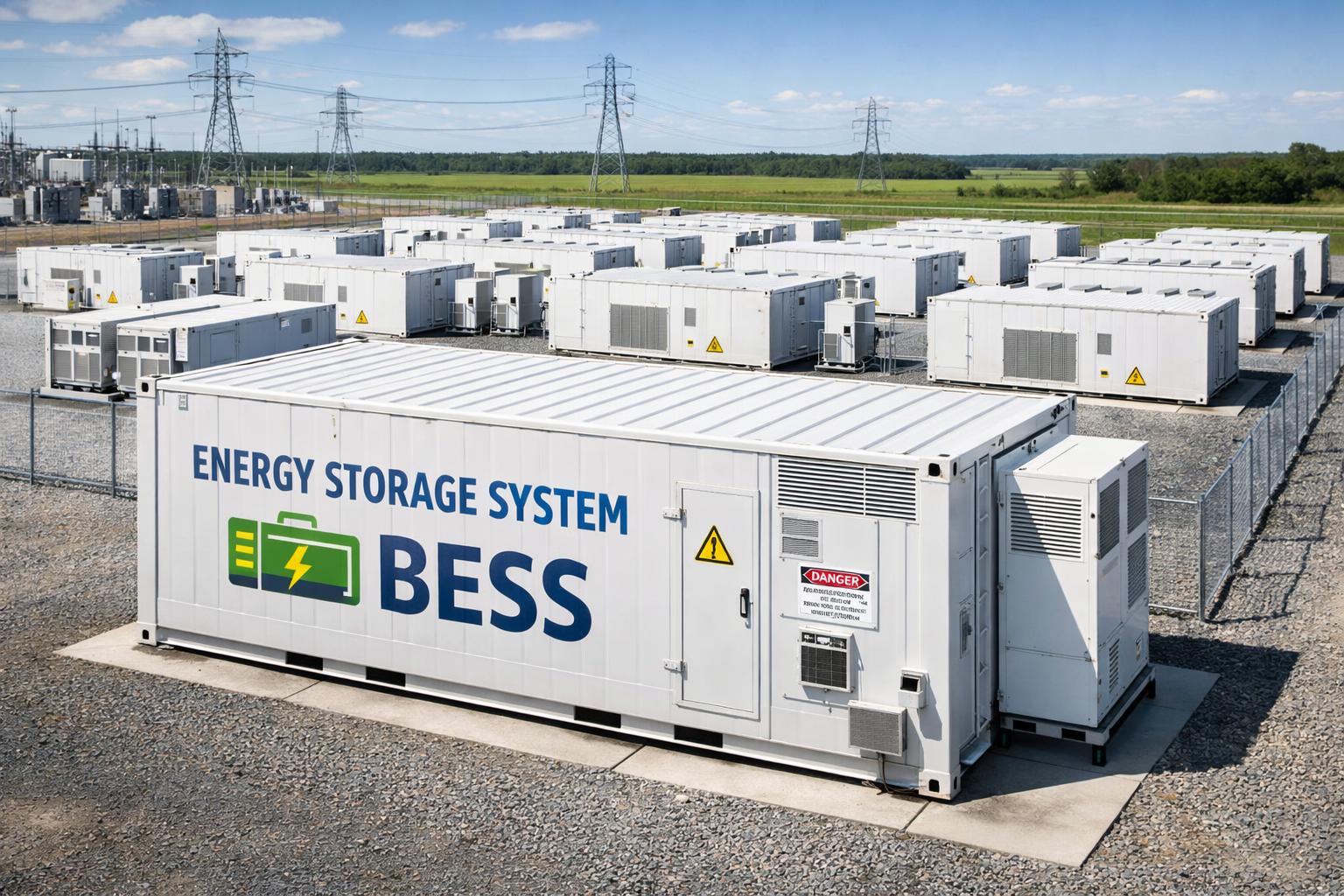
During the World Cup, BESS ensures reliable stadium operations by storing renewable electricity, reducing peak demand, and lowering energy costs through peak shaving and load shifting. After the tournament, these systems can continue generating value by joining Virtual Power Plants (VPPs) and participating in ancillary service markets, providing services such as frequency regulation and demand response.
Battery storage can also support Vehicle-to-Grid (V2G) applications, supplying fast charging for electric shuttle buses and visitors' EVs while enabling bidirectional energy exchange. In addition, stadium energy storage systems can serve as backup power sources for emergency shelters and other critical facilities, strengthening urban energy resilience.
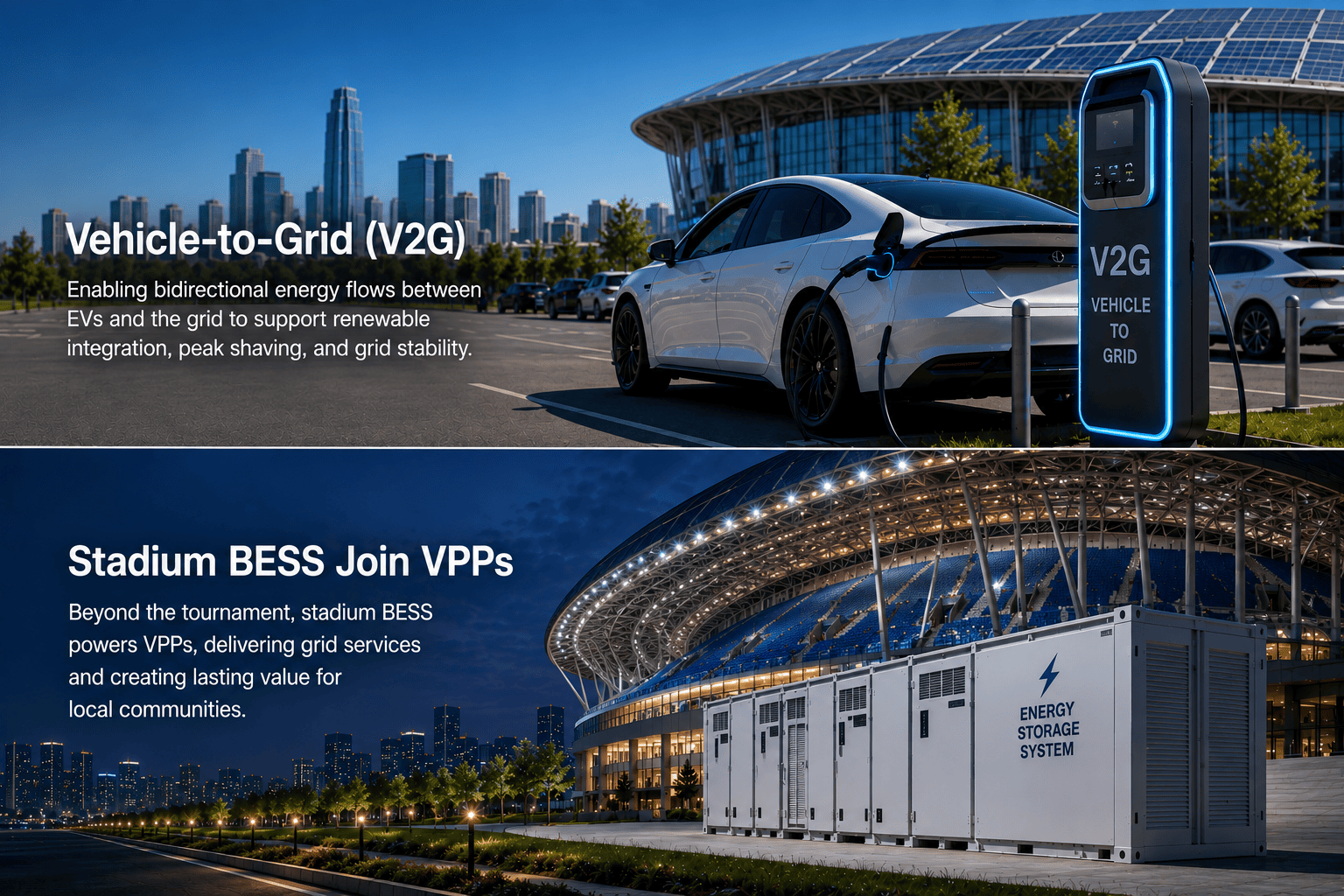
By combining energy management, grid services, and emergency power capabilities, BESS transforms stadiums from event venues into sustainable urban energy hubs—delivering lasting environmental, operational, and economic benefits long after the final whistle.
Supporting the Global Energy Transition
The clean energy practices demonstrated during the 2026 FIFA World Cup reflect a broader global trend: renewable energy and battery storage are no longer optional additions but essential infrastructure for future power systems.
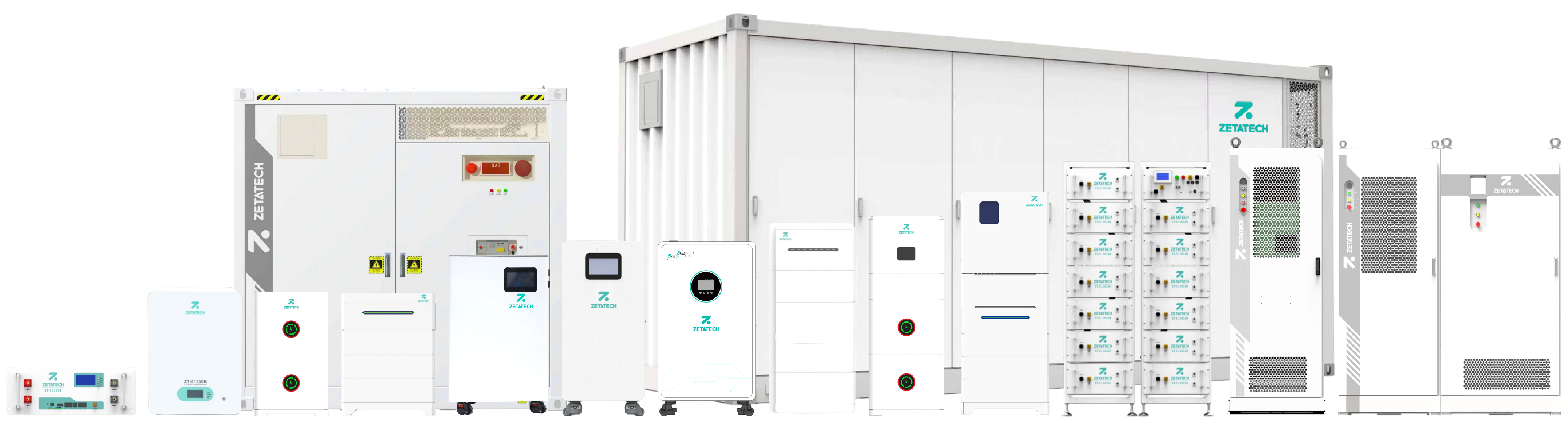
At ZETATECH, we are committed to supporting this transition with comprehensive residential, commercial & industrial, and utility-scale energy storage solutions. Our portfolio includes all-in-one residential ESS, liquid-cooled C&I energy storage systems, and microgrid solutions designed to maximize renewable energy utilization, improve energy independence, and enhance grid reliability.
As global demand for sustainable and resilient energy solutions continues to grow, ZETATECH remains dedicated to delivering innovative battery storage technologies that help customers worldwide build a cleaner, smarter, and more reliable energy future.