The rise of 4-hour battery energy storage systems (BESS) is becoming increasingly visible in major energy markets.
California offers a clear example. In August 2026, the California Energy Commission reported that the state's battery storage capacity had surpassed 21,000 MW, with its utility-scale fleet dominated by four-hour systems. By comparison, battery systems in Texas are typically designed for two hours or less. California's battery capacity also grew by 80% between the first half of 2024 and the first half of 2026, helping store excess solar generation and deliver electricity after sunset.
The development highlights a fundamental change in the BESS market: storage is increasingly valued not only for how much power it can deliver, but also for how long it can deliver it.
For customers, this makes storage duration an important project-design decision. A 2-hour BESS may be sufficient for short-duration peak management, while a 4-hour BESS can provide greater flexibility for energy shifting and renewable integration.
But the market is already moving beyond four hours, with 6-, 8-, 10-hour and even longer-duration systems emerging for applications that require extended energy shifting and grid flexibility.
The key question is therefore no longer simply:
“How large should the battery be?”
It is: “How long does the customer need the stored energy to work?”
2-Hour BESS: Focused on Power and Short Peak Periods
A 2-hour BESS is typically suited to applications where high power is needed for a relatively short period. For a simple example, a 1 MW / 2 MWh system provides two hours of storage at its rated power.
Typical applications include:
Peak demand management
Time-of-use energy arbitrage
Short-duration peak shaving
Frequency regulation
Short-term backup
For a factory with a predictable two-hour demand peak, for example, the battery can discharge during that window to reduce grid demand.
From the customer's perspective, the advantage is efficiency: if the energy problem lasts only a few hours, additional battery capacity may not necessarily create proportional value.
4-Hour BESS: More Energy for Longer Shifting
A 4-hour BESS provides twice the energy capacity at the same power rating. A 1 MW / 4 MWh system, for example, can theoretically deliver 1 MW for four hours.
The additional energy capacity becomes valuable when customers need to shift electricity across a larger part of the day.
Typical applications include:
Solar energy shifting
Extended peak management
Higher solar self-consumption
Longer backup periods
Renewable energy integration
Microgrid applications
The benefit is particularly clear in solar-plus-storage projects. Solar generation typically peaks around midday, while electricity demand can remain high into the evening. A longer-duration battery can store more daytime solar energy and continue discharging after solar output declines.
For customers, the choice therefore depends on the shape of the energy requirement—not simply on the battery's maximum capacity.
2-Hour vs. 4-Hour BESS: What Changes for Customers?
Customer Requirement | 2-Hour BESS | 4-Hour BESS |
| Short peak shaving | Well suited | Well suited |
| Extended peak management | Limited | Better suited |
| Solar energy shifting | Suitable | More flexible |
| Time-of-use arbitrage | Suitable | More flexible |
| Short backup | Suitable | Suitable |
| Extended backup | Limited | Better suited |
| Renewable integration | Suitable | Stronger |
| Initial battery capacity | Lower | Higher |
A 2-hour BESS can be attractive when the customer's main objective is short-duration peak management or other power-focused applications.
A 4-hour BESS becomes more valuable when the project needs to move a larger amount of energy across the day, particularly when solar generation, extended peak periods or longer backup requirements are involved.
However, a longer-duration system also requires more battery capacity and a higher initial investment. Customers should therefore evaluate the expected savings and revenue against the additional capacity rather than assuming that longer duration automatically means better economics.
The Industry Is Moving Toward Longer-Duration Storage
The market is also expanding beyond the traditional 2-hour and 4-hour configurations.
The U.S. National Renewable Energy Laboratory (NREL)'s utility-scale battery cost projections already model systems with 2-, 4-, 6-, 8- and 10-hour durations, reflecting the growing range of BESS applications.
Recent market developments point in the same direction. Italy's first MACSE energy storage auction contracted 10 GWh of utility-scale battery storage, including projects with durations of eight hours or more. Great Britain's long-duration energy storage framework also targets projects capable of delivering power at full output for at least eight hours.
The trend does not mean that longer-duration BESS will replace 2-hour or 4-hour systems. Instead, different durations are increasingly being matched to different grid and customer requirements:
2-hour: short-duration peak management
4-hour: broader energy shifting
6–8-hour: extended renewable integration
10-hour+: longer-duration grid flexibility
As renewable penetration increases, the industry is gradually moving from short-duration power management toward longer-duration energy management.
For customers, this makes flexibility increasingly important. A system designed for today's application may need to accommodate changing electricity demand, renewable generation and operating strategies over its lifetime.
Flexible Architecture for Evolving Energy Needs
This is where BESS architecture can make a difference.
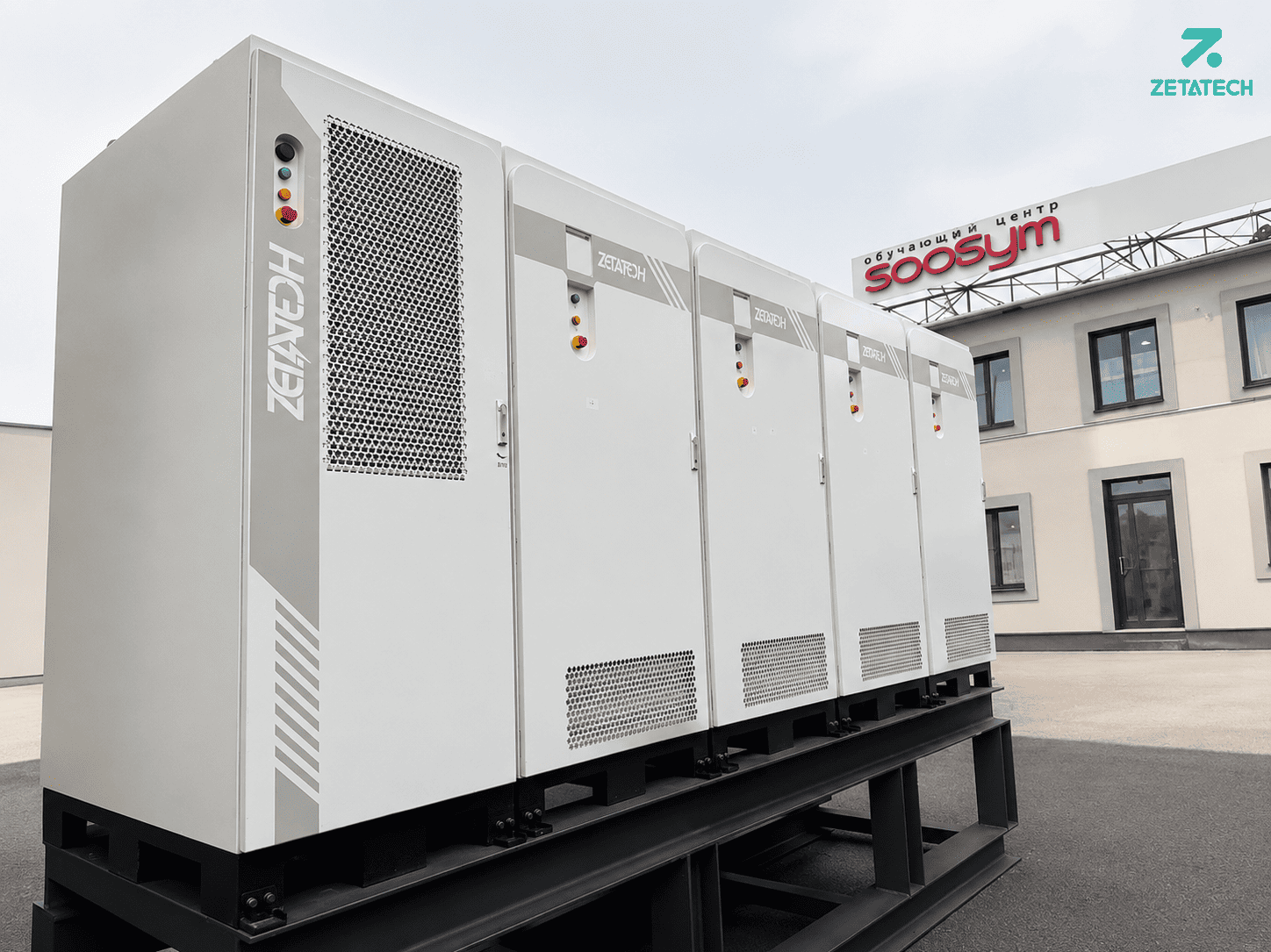
ZETATECH's ZetaCube adopts a split architecture that separates the battery cabinet from the electrical cabinet, providing greater flexibility in system configuration.
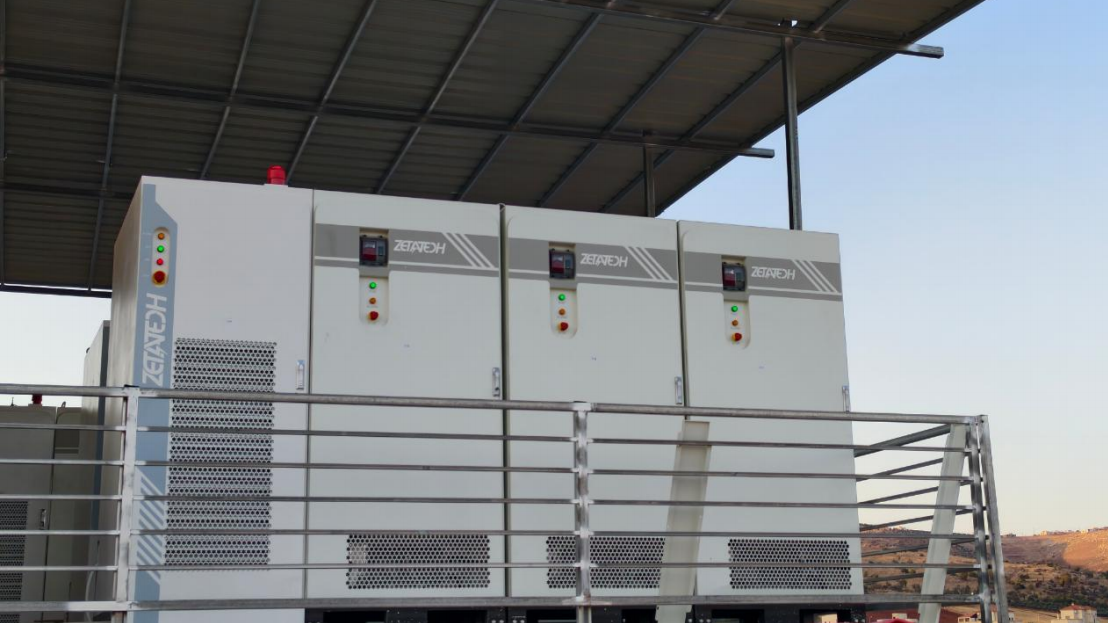
Depending on project requirements, the system can accommodate different combinations of:
Battery capacity
PCS configuration
MPPT modules
STS modules
Renewable energy integration
Power and energy requirements
This approach allows the BESS to be configured around the application first.
A project focused on short-duration peak shaving may prioritize power output and a compact battery configuration, while a solar-plus-storage project may require greater energy capacity for longer discharge periods.
As storage applications continue to evolve from 2-hour and 4-hour systems toward longer durations, a flexible architecture can give customers more freedom to adapt their energy storage systems to changing project requirements.
The goal is not to make every project a 4-hour BESS.
It is to provide the flexibility to build the right combination of power, energy capacity and storage duration for the customer's actual needs.